
Catalyst Academies Trust

How Many Levels of Teaching Assistant Are There?
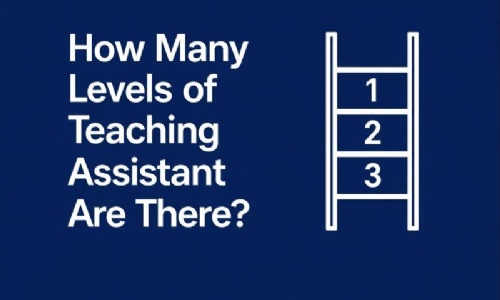
If you are considering a career as a teaching assistant, you are likely wondering how many levels there are and how progression works. In the UK, teaching assistant roles are not nationally standardised, but they generally fall into three main levels, each with increasing responsibility and experience.
Level 1: Entry-level teaching assistant
An entry-level teaching assistant is often the starting point for people new to education. This role focuses on providing general classroom support under the guidance of a teacher.
Typical responsibilities include:
-
Helping pupils stay focused during lessons
-
Preparing classroom resources
-
Supporting behaviour and routines
-
Assisting with basic learning activities
Many people enter this level through school-based roles, volunteering, or an apprenticeship. Formal qualifications are helpful but not always required at the start.
Level 2: Teaching assistant
A Level 2 teaching assistant usually has some experience in a school setting and may hold a recognised qualification, such as a Level 2 Certificate in Supporting Teaching and Learning.
At this level, responsibilities often include:
-
Working with small groups or individual pupils
-
Supporting pupils with additional learning needs
-
Helping to track pupil progress
-
Contributing more actively to lesson delivery
This is a common level for teaching assistants who are confident in the classroom and building long-term careers in education.
Level 3: Higher Level Teaching Assistant (HLTA)
The highest level for most teaching assistants is Higher Level Teaching Assistant (HLTA). This role involves greater responsibility and independence.
HLTAs may:
-
Lead lessons or cover classes under direction
-
Support planning and assessment
-
Mentor other support staff
-
Take on specialist roles, such as SEN support
To reach this level, teaching assistants usually need significant experience and additional training or assessment.
Teaching assistant training and progression with Catalyst Academies Trust
Catalyst Academies Trust provides a clear progression route for those starting out as teaching assistants in Essex. Our teaching assistant apprenticeship, delivered in partnership with Chelmsford College, offers structured training for people at the beginning of their journey. From April 2026, the wage for an apprentice will be £8 per hour.
The apprenticeship runs over one academic year, with trainees spending four days per week working in school and one day completing structured training, delivered on-site at Dilkes Academy. There is no need to travel to Chelmsford, making the programme accessible for people balancing work and home life.
The programme is open to anyone aged 16 or over with Grade 4 or above in GCSE English and maths. Through classroom experience, mentoring, and regular feedback, apprentices develop the skills and confidence needed to progress through teaching assistant levels and beyond.
Can teaching assistants progress into teaching?
Yes. Many teaching assistants use this pathway as a foundation for future teacher training. While becoming a teacher later requires a degree and a route to Qualified Teacher Status, starting as a teaching assistant provides valuable classroom insight and experience before taking that step.
Catalyst Academies Trust supports clear progression routes within its family of schools for those who wish to grow their careers in education.
Taking the next step
There are typically three main levels of teaching assistant in the UK, each offering opportunities to develop skills and take on greater responsibility.
If you are considering teaching assistant training in Essex, Catalyst Academies Trust offers a supportive, school-based route that helps you build experience, gain recognised qualifications, and move forward with confidence.